The Great Moroccan Loop
By Leopoldo Cavina · Mar 2025
Trip highlights
Follow the itinerary
9 stops · Tap a pin to see where we stopped.
Read the journey
The day-by-day tale, exactly how it happened.
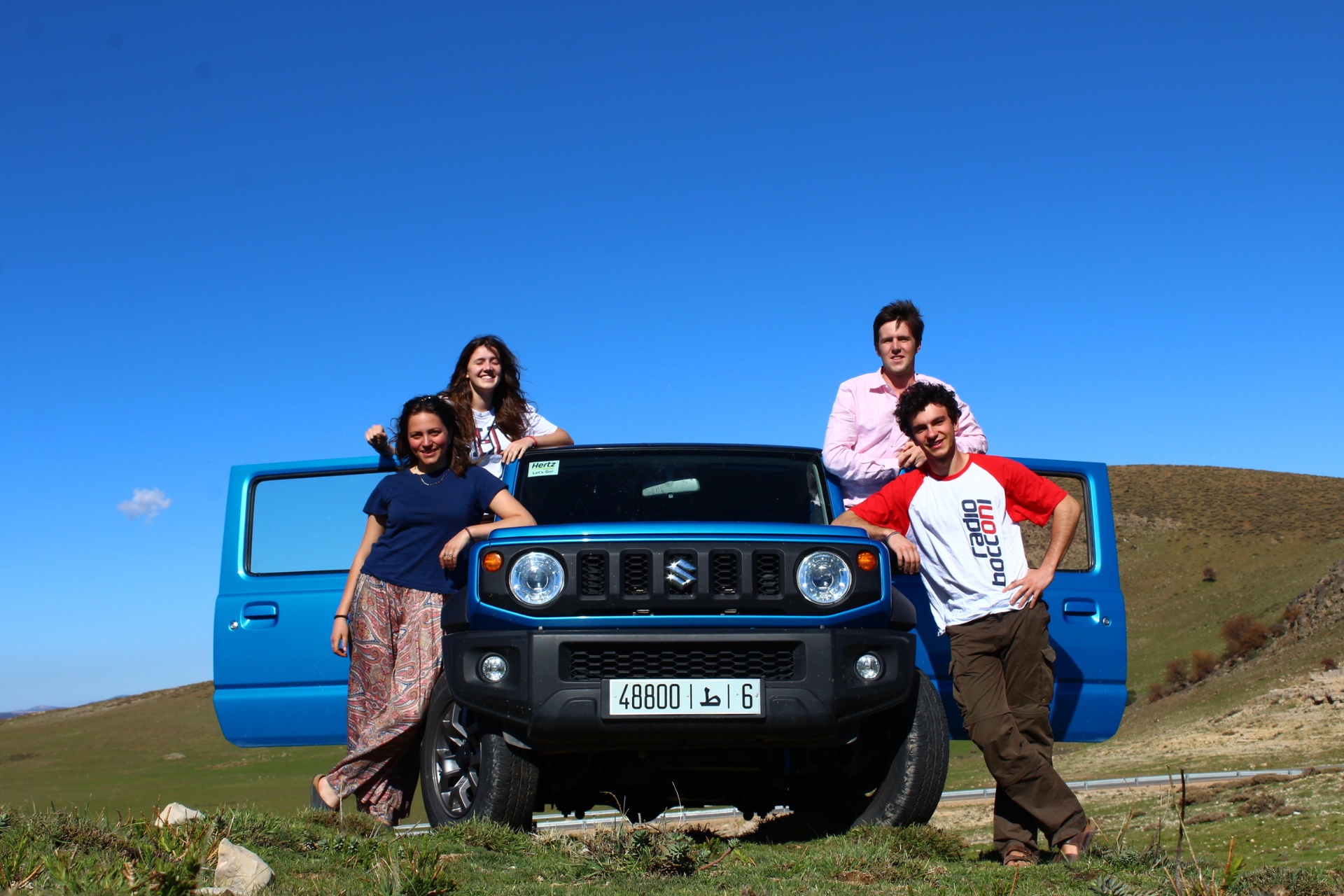
What happens when you throw a group of disorganized friends into the heart of Morocco, with the keys to a Suzuki Jimny and a vague idea of where to go? What happens is a memorable road trip, a concentrated dose of dust, wild haggling, and laughter until your sides ache. The trip lasted exactly seven days: enough to cross the Atlas Mountains, descend to the Sahara dunes, climb back up among cedars and monkeys, and finish with imperial cities, Roman ruins, and the blue city. Buckle up, because our journey was anything but quiet.
Day 1 — Marrakech: the sensory impact
We arrived in Marrakech already in adventure mode: we almost missed our flight, not due to negligence but because an iPhone didn't understand the concept of time zones. Once that hurdle was overcome, we plunged into the vibrant chaos of the red city. Jemaa el-Fnaa square is an assault on the senses: musicians, juice vendors, dried fruit stalls, and the smoke from the first barbecues being lit. Then the medina, a labyrinth of alleys where copper is hammered, the gleam of a thousand brass lanterns, mountains of colorful fabrics, and the incredible colors of the madrasa. We deliberately got lost in the more popular, authentic neighborhoods, where the traffic of motorcycles and carts forces you to press yourself against the wall. The result? Faces covered in a layer of dust and exhaust fumes that made us feel like locals. Before dinner, we picked up our Suzuki Jimny: small, dusty, perfect. It's the one that would take us to the Atlas and beyond.
Day 2 — Marrakech → Ouarzazate: crossing the Atlas
We left Marrakech under a gray sky and headed southeast. The road climbed towards Tizi n'Tichka, over 2000 meters, and the landscape transformed: barren mountains, rust-colored rocks, switchbacks that seemed to go on forever. We stopped at a roadside stall to buy super sweet oranges from a farmer, then set off again. In Ouarzazate, Morocco's Hollywood, we made a quick stop among the kasbahs and film sets. It wasn't the main destination of the trip, but it was the right passing point to break up the long mountain day. In the evening, we stopped at a simple hotel, ready to enter the rocky desert.
Day 3 — Ouarzazate → Nkob: the rocky desert
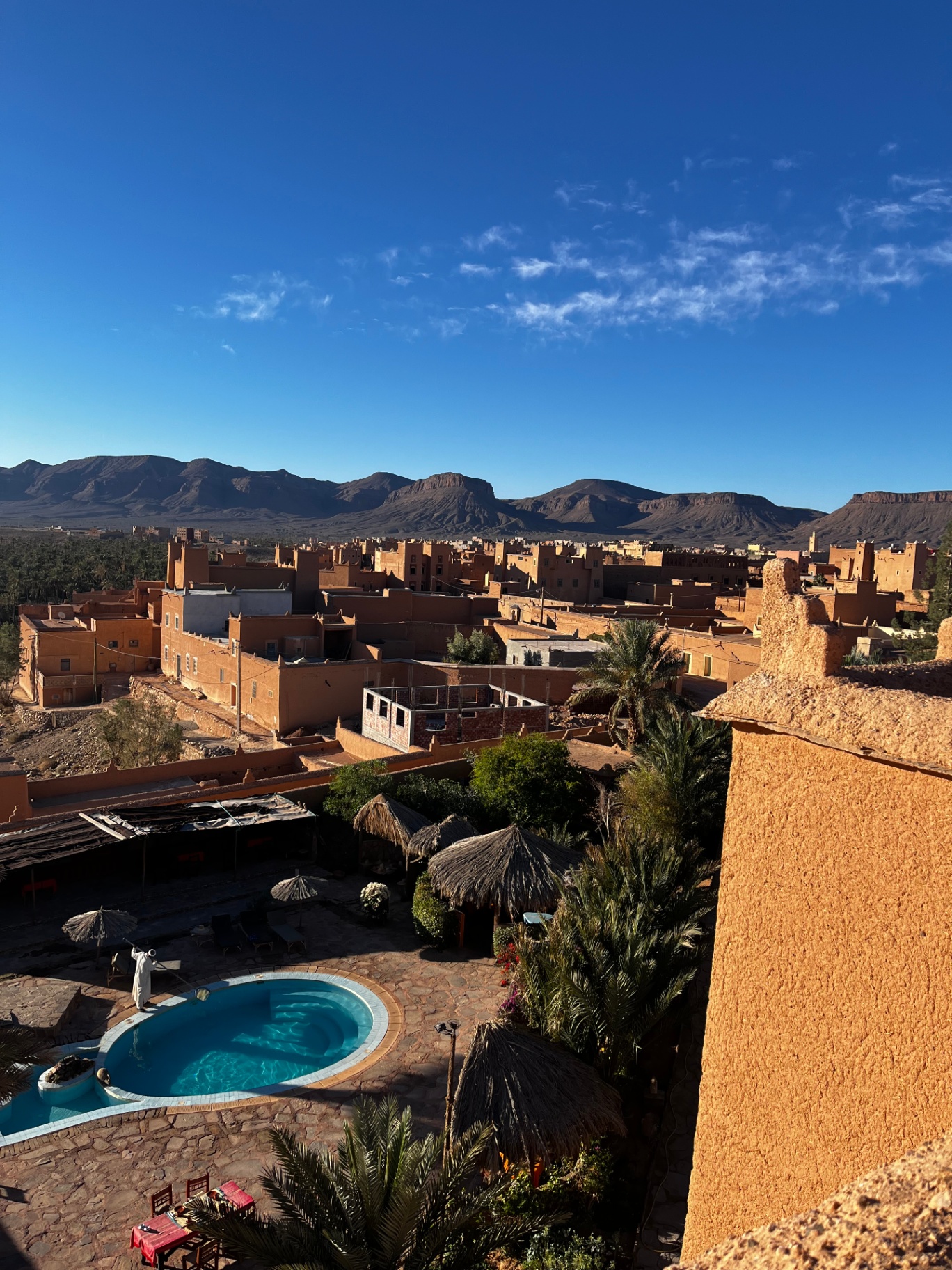
Today was for driving. We left Ouarzazate and crossed the rocky desert of Jebel Saghro, a region of canyons, gravel, and black mountains that looked scorched by the sun. Of course, at some point, Google Maps' track disappeared into thin air: we were in the middle of nowhere with the Jimny shaking on the stones. We were saved by a local motorcyclist who pointed us in the right direction with a gesture and a mental map that we would never understand. We arrived in Nkob, an oasis of kasbahs overlooking palm groves, with Jebel Saghro on the horizon. Terrace, pool among the palms, absolute silence. Dinner was a chicken and prune tagine that, by itself, was worth all the dust accumulated until that moment.
Day 4 — Nkob → Merzouga: the dunes of Erg Chebbi
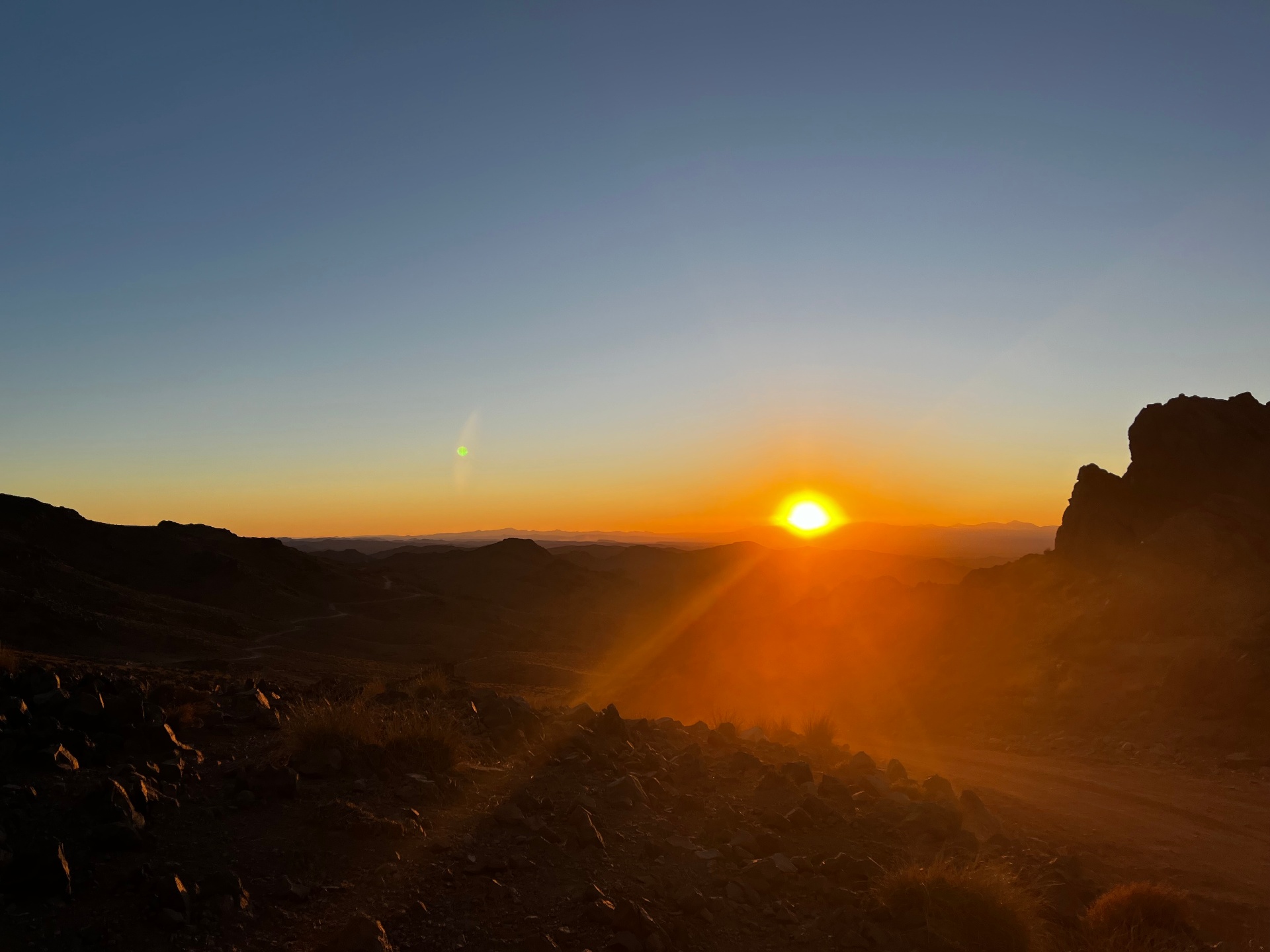
The most anticipated day: the real sand, that of Erg Chebbi. We arrived in Merzouga in the late afternoon, when the sun painted the dunes orange and purple. We settled into a tented camp which, however nice, cost €80 per person — a textbook tourist trap. But we were there for something else: to test the Jimny. Declared goal: to get stuck. Mission accomplished after a few minutes. We dug frantically, making the situation worse, until a local guide freed us by deflating the tires. Then we set off to rescue some girls spotted on a dune at sunset — the wrong dune, of course — before getting stuck again.
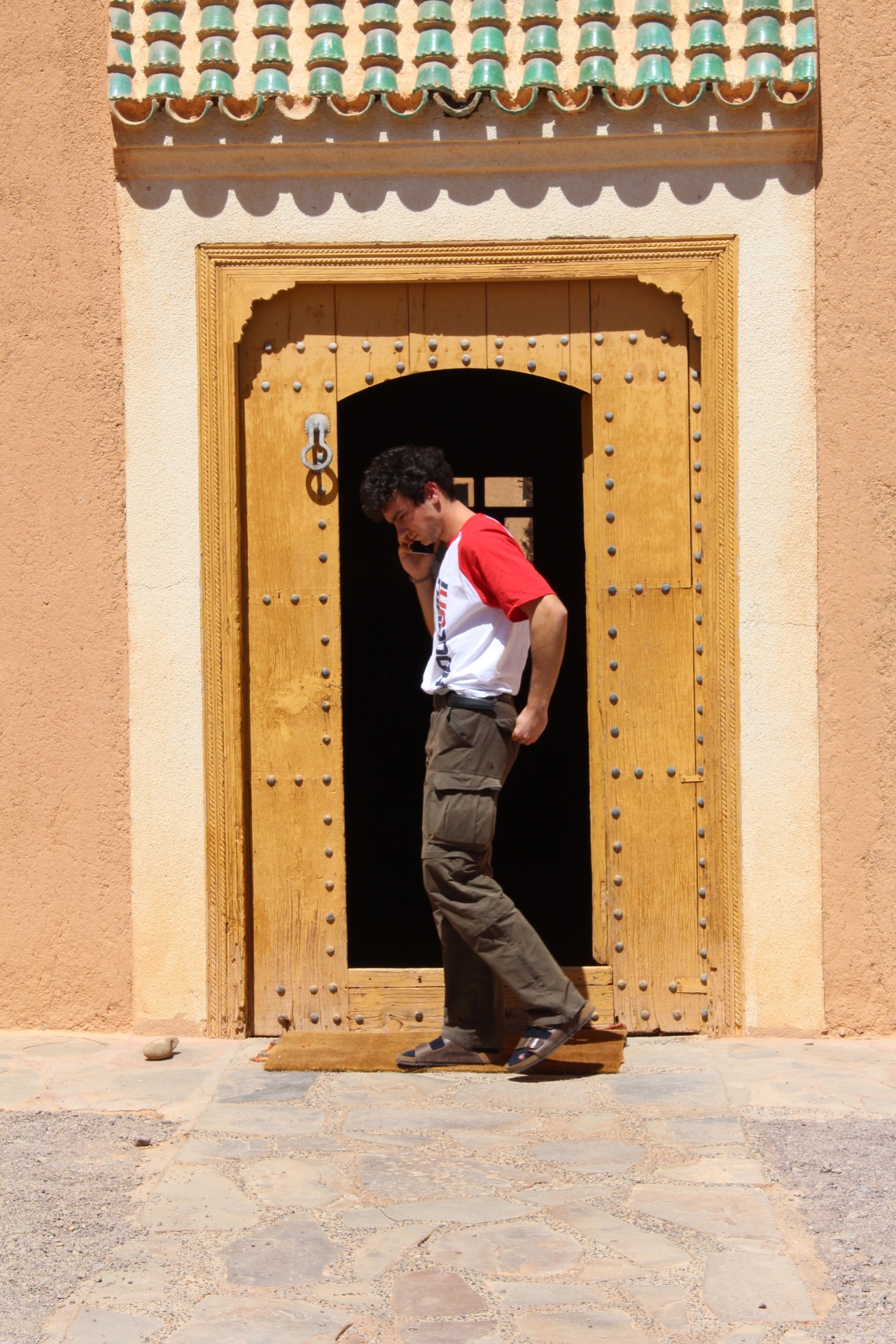
The evening ended around a bonfire that smoked us like hams, to the sound of drums. The "ancient Berber songs," however, had a strangely familiar melody: they were Spanish hits, complete with Waka Waka. Surreal. At dawn, after making peace with the sand, we all took turns driving on the dunes without getting stuck. Small victory.
Day 5 — Merzouga → Ifrane and Azrou: from desert to cedars
We left the Sahara and headed north. The landscape change was violent: from the ochre of the desert to the intense green of the cedar plateau between Azrou and Ifrane. It was almost cold here: we found ourselves in the middle of a snowball fight (yes, snow!) and befriended the Barbary macaques who watched tourists from the roadside. We bought two "sausages" of dried figs from a street vendor and continued our ascent. Ifrane, with its pointed houses and orderly streets, looked like an improbable Switzerland in the middle of Morocco. It was the day we realized that this country never stops changing.
Day 6 — Meknès and Volubilis: imperial cities and Roman ruins
From Ifrane, we descended towards Meknès, an imperial city often overlooked compared to Fès but beautiful in its silence. We visited the mausoleum and the monumental gates, then moved a short distance to reach Volubilis: walking among the ruins of an ancient Roman city, under a sun like Sicily in mid-August, is an experience you don't expect. The mosaics are almost intact, the columns soar among the fields, and the heat is such that jeans become a regrettable choice. In the evening, as true travelers without reservations, we found a hotel thanks to a somewhat shady guy who, however, took us to a clean and cheap place. The no-plans travel routine still worked.
Day 7 — Asilah, Chefchaouen and Fès: ocean, blue city and haggling
Last day, but the schedule was packed. We left Meknès and headed towards the ocean: Asilah, a white pearl on the Atlantic, with Portuguese walls and whitewashed alleys. We stopped for a culinary challenge — a "mess" of snails in broth that divided the group, but had to be faced. Then we climbed towards the Rif to Chefchaouen, the blue city, where we indulged in compulsive shopping for carpets and handicrafts. The tired Jimny risked "drowning" on a road that ended straight in a puddle of water.
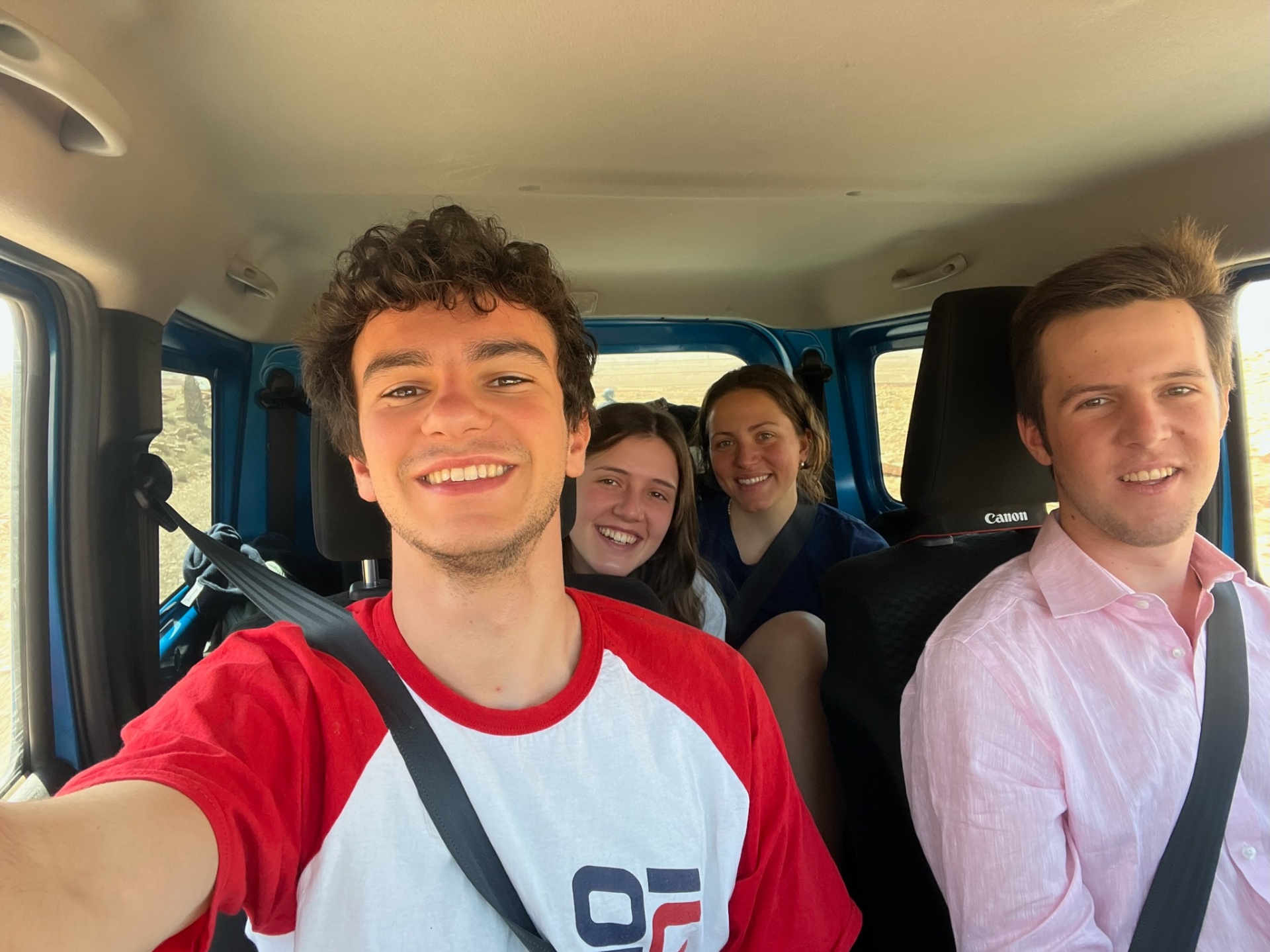
The last stop was Fès: the arrival was worthy of a comedy film. Marty collected his second (or fourth?) speeding ticket, claiming he "doesn't see signs while driving," and immediately after, he gave a little kiss in reverse to a parked car, escaping from an illegal parking attendant who was distracted for a second. In the midst of the chaos, we found a fabulous hotel for €12 a night with a panoramic terrace. In Fès, we perfected the art of haggling:
- Start by offering 20–25% of the asking price.
- At the first refusal, pretend to walk away. It almost always works.
- Complain about "not having enough money."
- Be friendly: a smile is worth more than a thousand dirhams.
- Consider yourself satisfied if you close below 50% of the initial price.
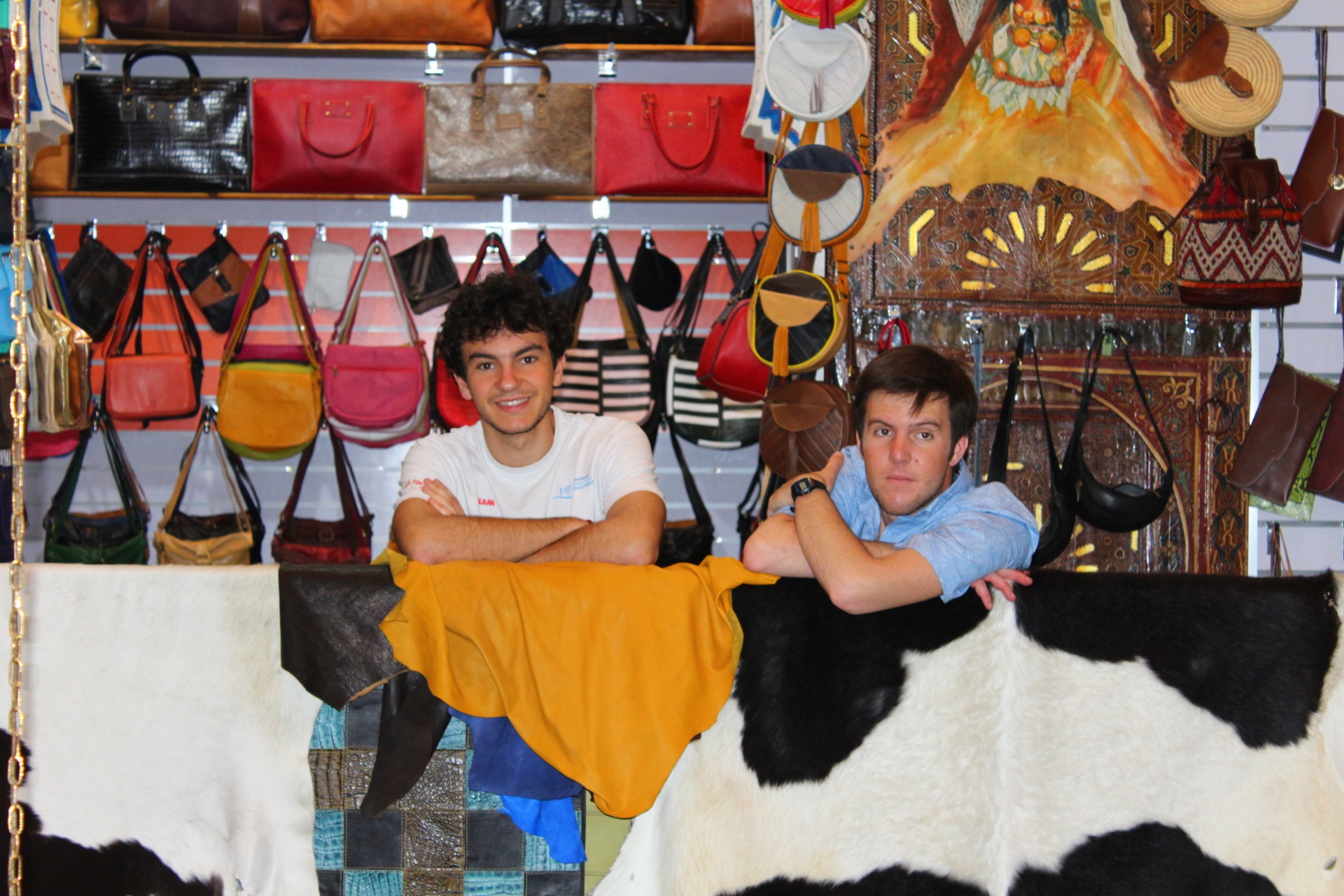
The last afternoon was a total immersion in the medina: the pungent smell of the tannery, the purchase of oils and spices, and the almost surgical sight of a chicken being slaughtered at the market. Even leaving was an undertaking: no petit taxi could take us to the airport, until a kind soul emptied his trunk to load us up. After a week of calculated chaos, we arrived at the airport three hours early, poorer in dirhams but rich in absurd stories. Morocco, you tested us and you won us over.