Philippines: An archipelago to tell stories about
By Leopoldo Cavina · Aug 2025
Trip highlights
Follow the itinerary
5 stops · Tap a pin to see where we stopped.
Read the journey
The day-by-day tale, exactly how it happened.
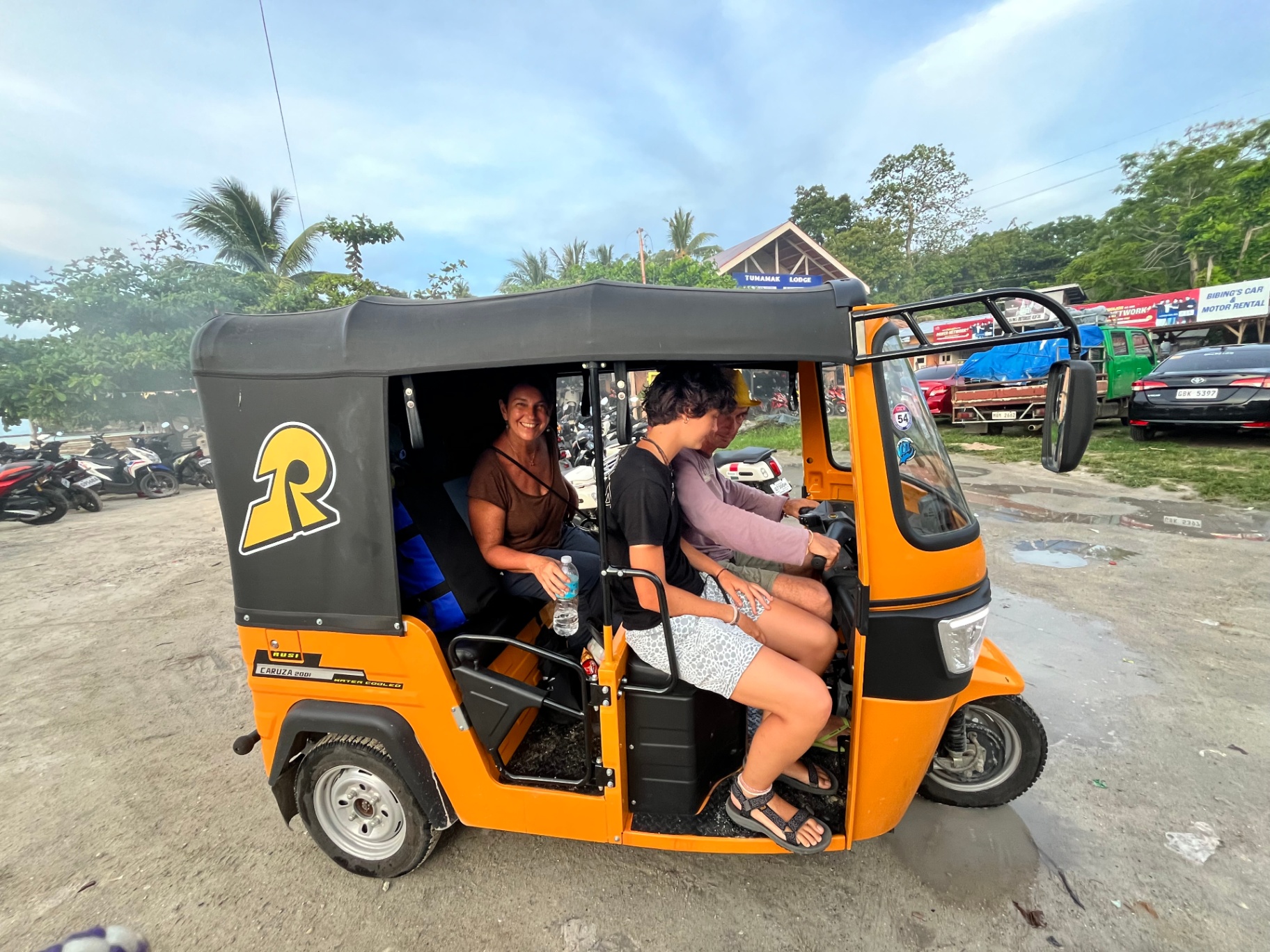
A trip to the Philippines among bangkas on tropical islets, emerald lagoons, tiny rain-soaked airstrips, orange tricycles, and wooden bungalows under palm trees. This is the chronological account of our itinerary, from Siquijor to Coron.
Siquijor — the least touristy island
The journey begins in Siquijor, an island that seems to have forgotten about mass tourism. Beautiful landscapes, stunning sea, and a slow pace that forces you to relax — even if we're not very good at it. The best way to get around is by scooter, for about €5 a day: this way you can explore the beaches, hidden waterfalls, and coastal roads without schedules or reservations. It's from Siquijor that the boat departs for Apo Island, our next stop.
Apo Island — the most beautiful coral reef
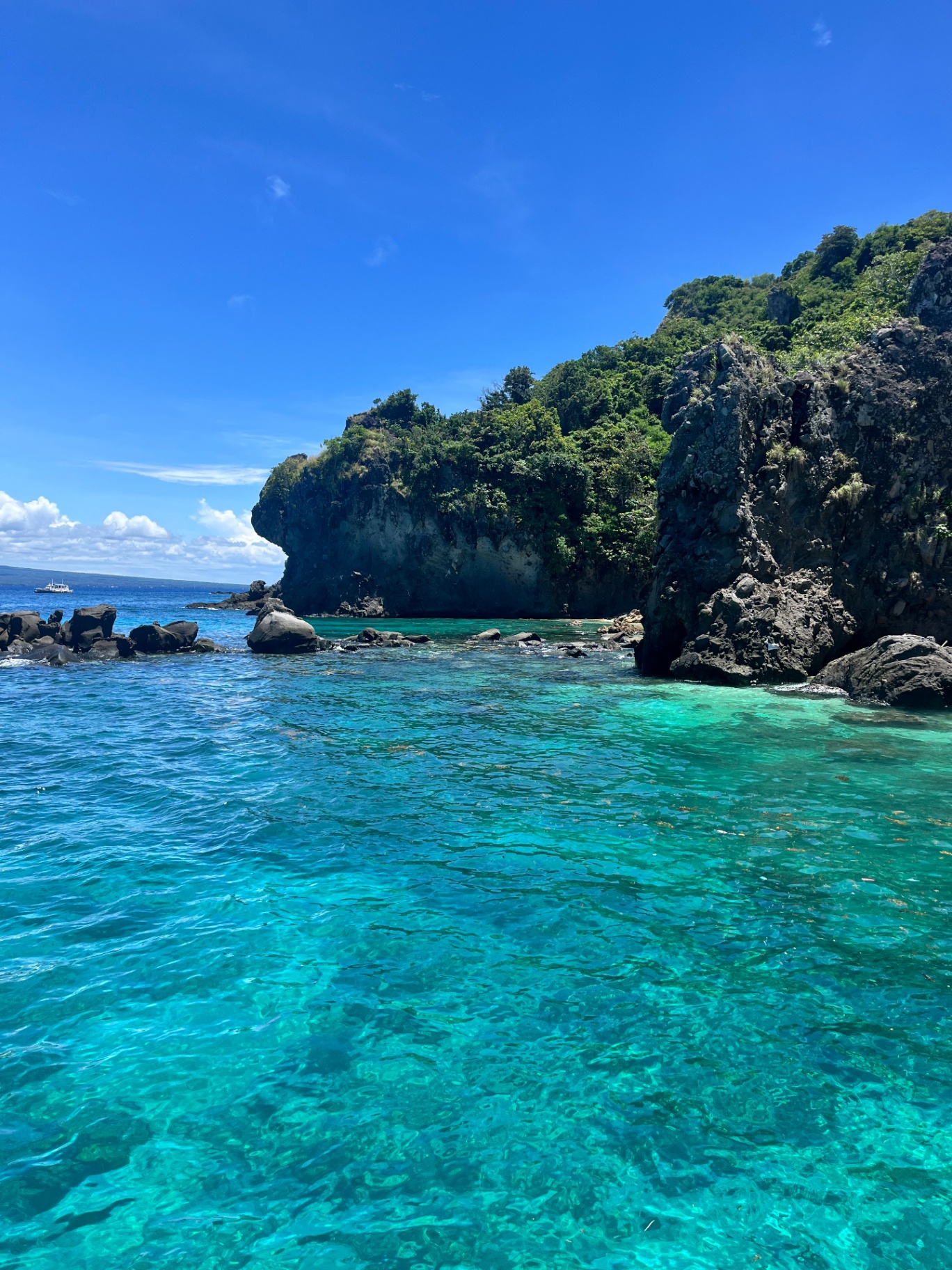
From Siquijor, we take a boat to Apo Island, a magnificent place with one of the most beautiful coral reefs I've ever seen in my life. Incredible snorkeling, turtles, crystal-clear water, and a feeling of total isolation. You can even spend the night there if you arrange it in advance from Siquijor: in my opinion, it's worth it, to experience the island without the daytime crowds.
Panglao — a quick stop to skip
Panglao is a transitional stop: we only spend a few hours there, just enough time for a quick look. Honestly, like Manila, it's not really worth it: too touristy, too built up, too far from the essence of the Philippines we were looking for. Better not to stop and continue towards the heart of the trip.
Palawan and El Nido — the starting point of the grand tour
From Panglao, we fly to Palawan, landing in the El Nido area. Here the landscape changes completely: shark-fin islets, emerald waters, lagoons hidden among limestone cliffs. It's the most iconic face of the Philippines and the starting point for the boat trip that will take us to Coron.
El Nido – Coron — three days by bangka
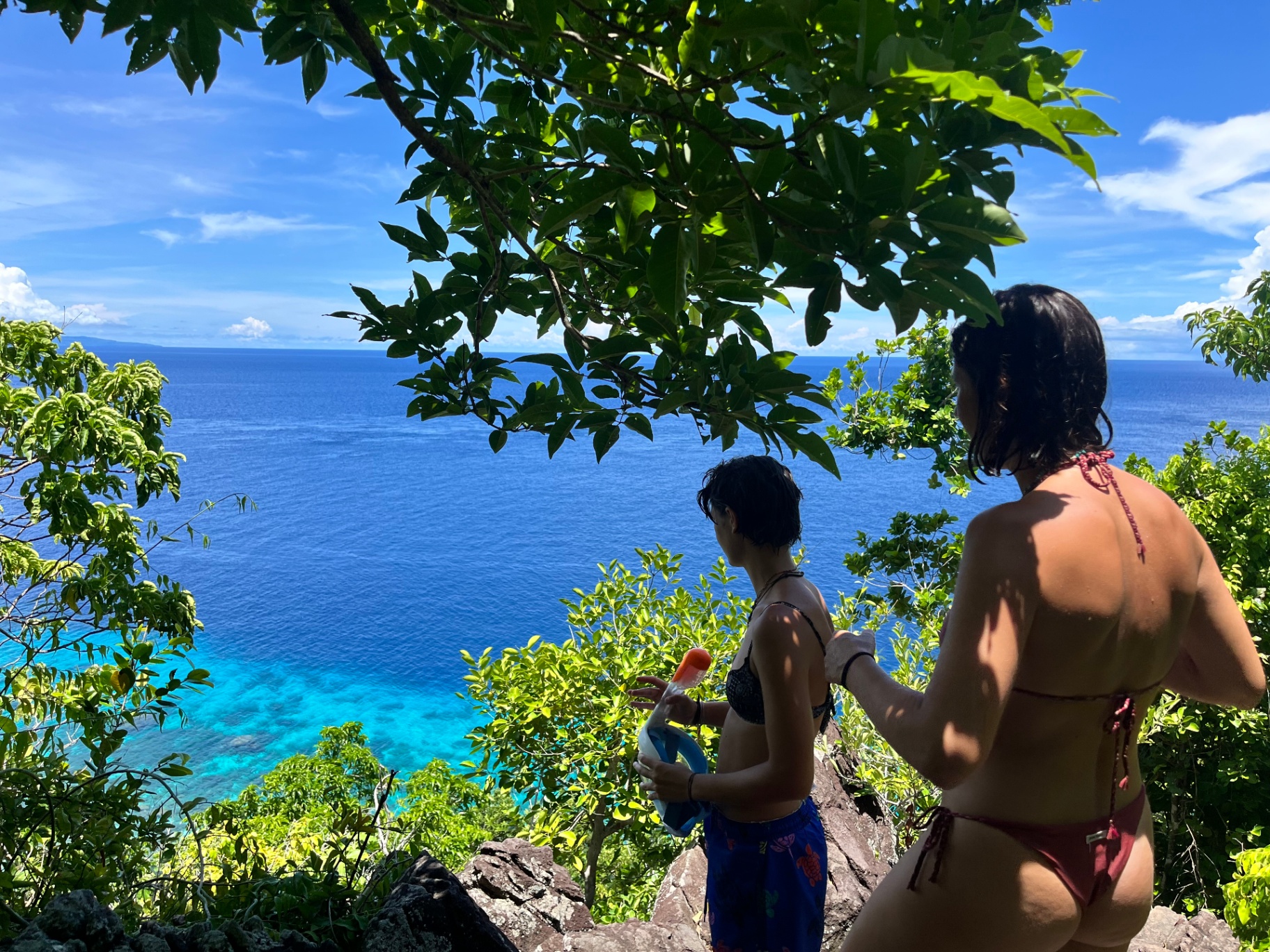
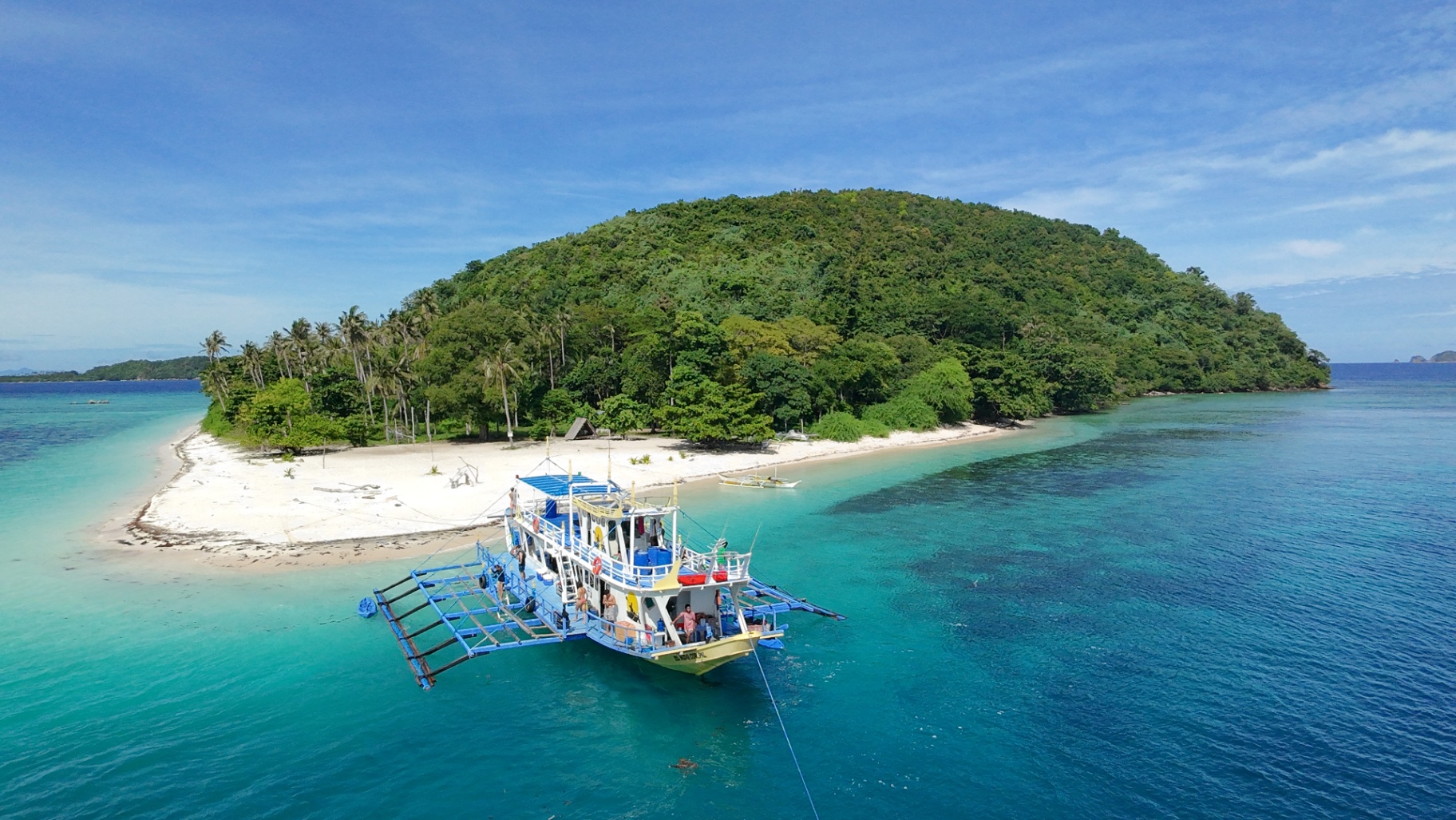
The El Nido–Coron stretch is perhaps the most beautiful of the entire trip. Three days by bangka among uninhabited islets, snorkeling on colorful reefs, fresh fish lunches, and nights on seemingly out-of-this-world beaches. We booked on-site in El Nido the evening before departing with this operator: we had a great time and spent about €180 per person all-inclusive, including meals and marine area access fees — be careful, because fees are often excluded and can be pricey.
Online it seems to cost much more: we haggled for an entire evening to save about €30–40 per person. Especially in low season, there are several options and they tend to cost less, but pay attention to the weather: if the sea is rough, departures are postponed.
Coron — turquoise waters and limestone cliffs
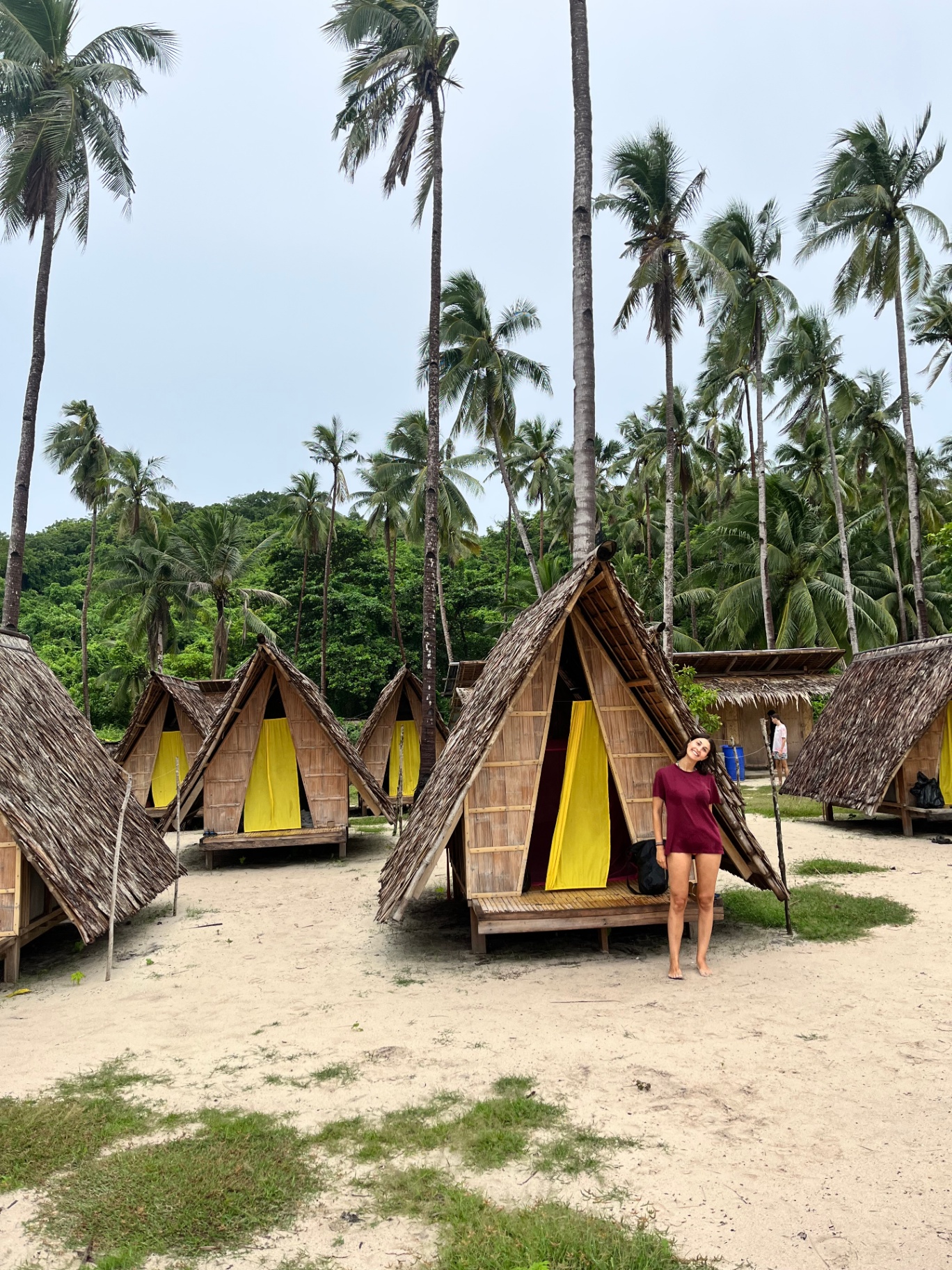
We arrive in Coron after three days of sailing. Here the water is even more transparent, the vertical cliffs more imposing, the protected bays perfect for swimming and snorkeling. It's the grand maritime finale of the trip: that classic image of the Philippines you find on postcards, but experienced firsthand.
Siargao — an extra tip
We haven't been there, but everyone we meet raves about Siargao. In summer, it should have fewer rainy days than the rest of the archipelago: if you have time and fancy an island that's more about surfing and less about mass tourism, it's worth a detour.
Practical tips
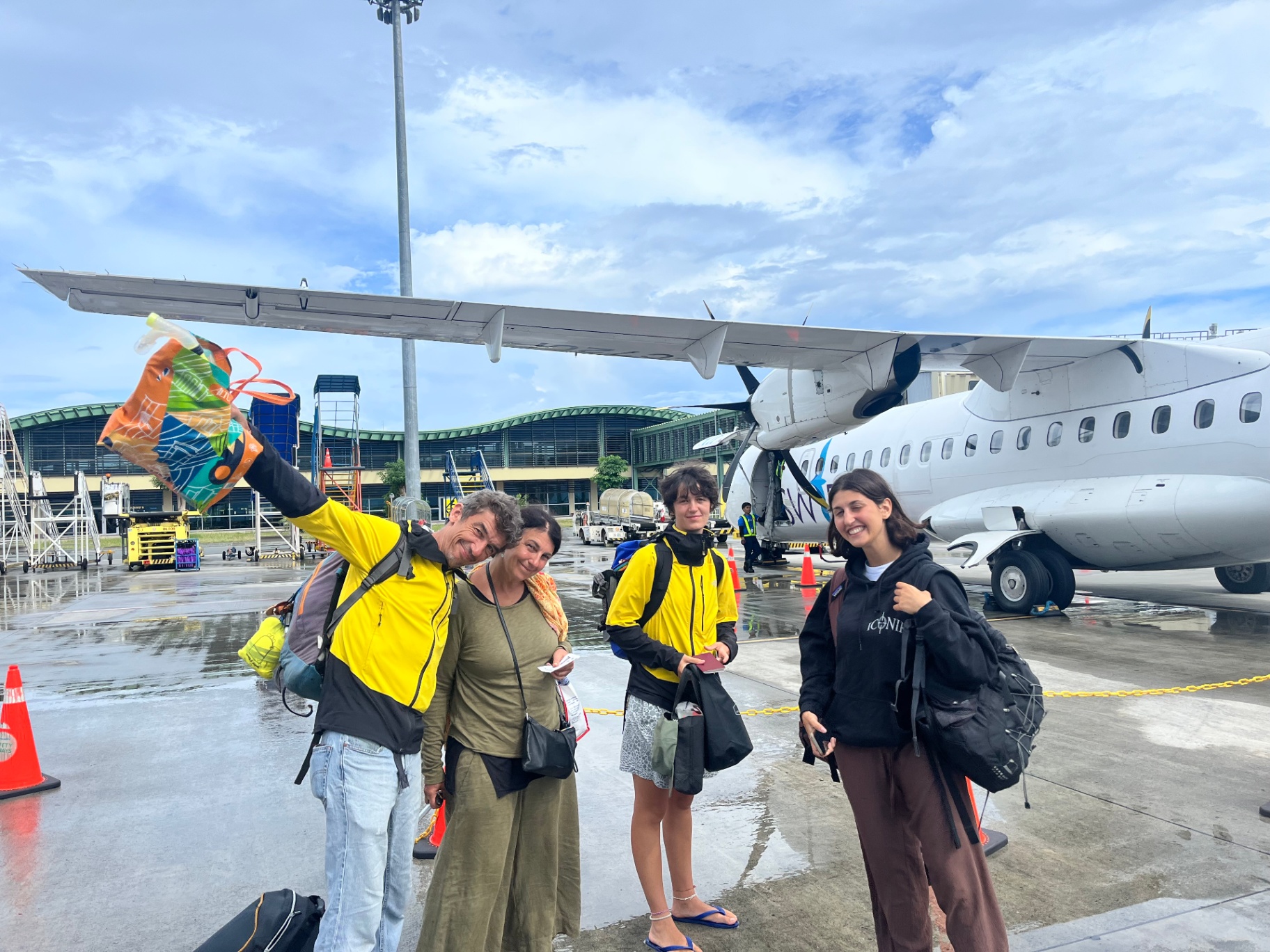
Luggage. Absolutely a backpack or duffel bag: transfers are only by precarious means and scooters, so it's much more convenient to have luggage that can be squashed and jostled a bit. We checked ours because the ticket with checked luggage was cheaper than with hand luggage, but a scout-style backpack can still be carried as hand luggage with almost all airlines.
Transport. In general, we hadn't booked anything, except for a couple of domestic flights: you mainly travel by plane, which is very convenient, inexpensive, and fast.
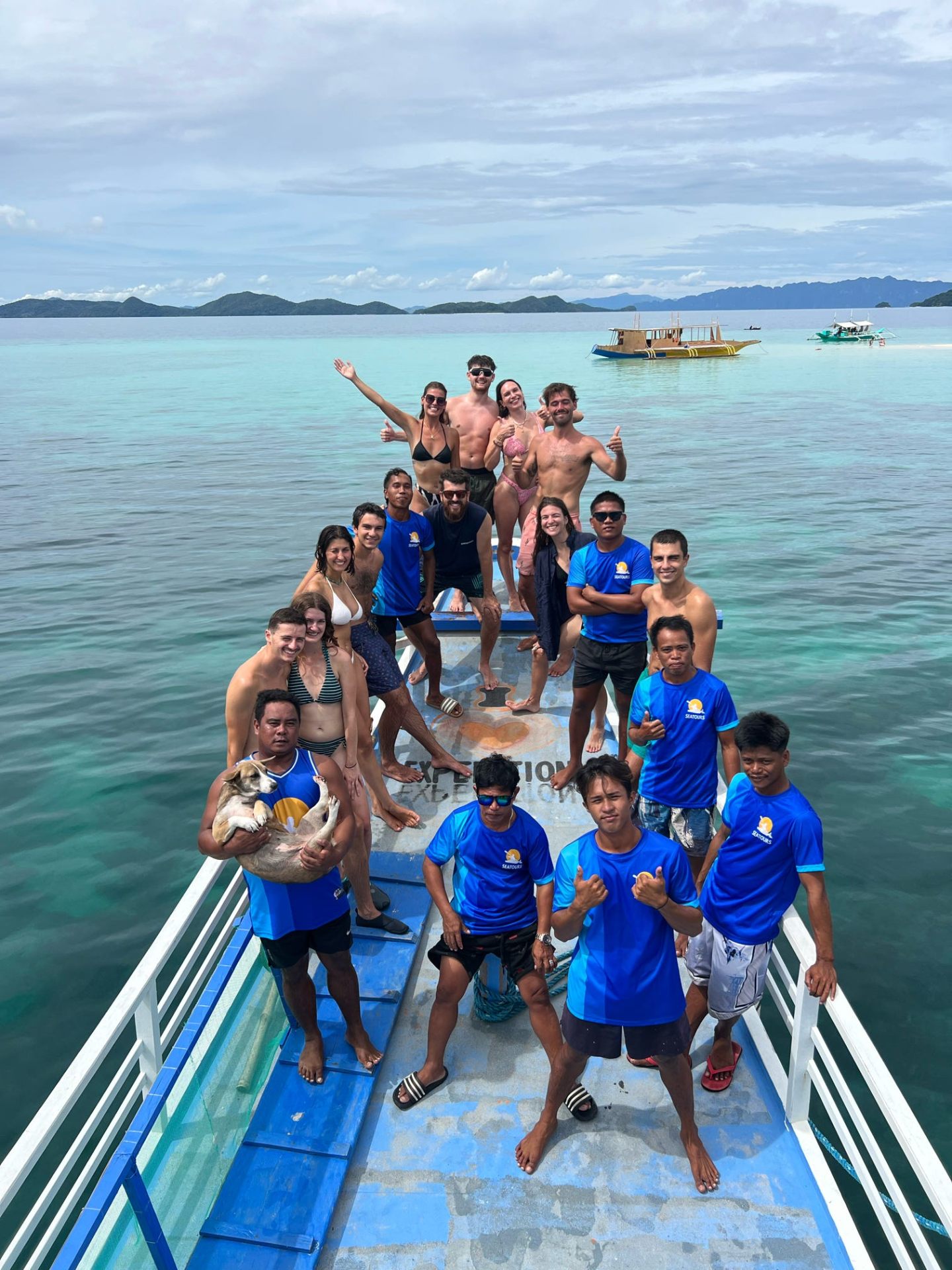
Trip mood: tropical islands, snorkeling, boat transfers, panoramic sea views, and nights in essential huts in front of the jungle.